 By Lauren Holland
Updated November 2026
Affordable countertops don’t have to look like a compromise. This guide covers six budget-friendly kitchen countertops ideas, how each material performs day to day, and the measuring and prep steps that keep a low-cost surface looking finished. Once you finish, you’ll know which option fits your cooking habits and your wallet.
Start With Your Layout and Measurements
Before comparing materials, measure the run you need covered. Standard base cabinets are 24 inches deep, and most countertops overhang the front by 1 to 1.5 inches, so a typical run needs a slab 25 to 26 inches deep. Measure each wall run separately, add 1/8 inch of clearance at walls, and note any sink, cooktop or corner cutouts. Accurate numbers keep you from buying extra material or ordering a piece that won’t fit.
Shopping for one? See our guide: Cheap Quartz Kitchen Countertops: 6 Best Budget Picks (2026).
Compare Six Budget-Friendly Materials
Each of these cheap kitchen countertops ideas works well in the right setting. The differences come down to heat tolerance, water resistance and how much maintenance you’re willing to do. We also found 7 Best Meal Prep Ideas for Weight Loss: Expert Picks for Every Kitchen useful on this point.
- Laminate: The most common low-cost option. It comes in many patterns and is easy to clean, but it can scorch and chip at seams.
- Butcher block: Warm and forgiving for prep work. It needs regular oiling and should stay away from constant standing water.
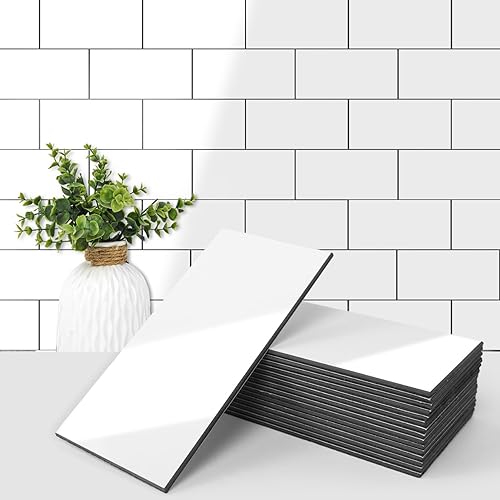
- Ceramic or porcelain tile: Heat resistant and customizable. Grout lines need sealing and can stain without care.
- Concrete overlay: A skim coat over existing surfaces gives an industrial look. Sealing is essential, and it suits DIY work better than most options.
- Solid-surface sheets: Seamless and repairable, though they cost more than laminate and sit in a middle budget tier.
- Budget quartz or engineered stone: Durable and low maintenance. Look for remnant pieces to lower the cost.
Choose Ideas That Match Your Cooking Habits
If you cook daily and use hot pans, laminate and untreated wood need protection with trivets. Tile handles heat well but needs grout maintenance. If you bake or prep heavily, butcher block offers a working surface that lets you cut directly on it, though you’ll want a separate board for raw meat. Households with young children often prefer seamless or non-porous surfaces that wipe clean quickly.
Use Remnants and Sample Pieces
Fabricators and stone yards often sell remnants at reduced rates. A piece 36 inches wide can cover a small prep zone or a bar top. Ask for sample boards too, since they let you check color and sheen under your own kitchen lighting before committing.
Plan the Install and Finish Details
Level cabinets before anything goes on top, because uneven base runs cause seams to open and sinks to sit crooked. Seal porous materials like concrete, grout and wood according to the manufacturer’s directions. Pay attention to the backsplash edge and the front nosing, since these details affect both looks and durability. For a project you can complete yourself, see DIY Kitchen Countertops Ideas: 6 Projects You Can Finish This Weekend for step-by-step options.
Recommended gear
- Food-safe mineral oil: Used to condition butcher block surfaces and maintain their finish over time. View on Amazon
- Tile grout sealer: Helps keep tiled counters from staining and makes cleaning easier. View on Amazon
- Digital level: Checks cabinet runs for flatness before any surface goes on. View on Amazon
Tips and Common Mistakes
- Don’t skip sealing porous materials, since staining is the most common complaint with budget surfaces.
- Check remnant dimensions carefully, because a piece that’s 2 inches short can ruin a run.
- Plan your sink and cooktop cutouts before ordering to avoid wasted material.
- Avoid mixing too many finishes. Pairing one main countertop material with one accent keeps the kitchen cohesive.
FAQ
What is the cheapest countertop material?
Laminate is usually the lowest-cost option and comes in many colors and patterns. It’s a practical choice for rentals or short-term updates.
Can I install budget countertops myself?
Laminate sheets, butcher block and concrete overlays are often DIY-friendly. Anything involving sink cutouts or heavy stone should be handled by a professional installer.
How long do cheap countertops last?
Lifespan depends on the material and care. Laminate and wood can last many years with proper maintenance, while tile and concrete overlays hold up well if sealed regularly. Consult a professional before relying on any surface for heavy commercial use.
Conclusion
Budget countertops can look sharp and perform well when the material matches how you cook. Measure carefully, compare the trade-offs of each option, and plan the install details before you start. A little preparation goes a long way toward a kitchen you’ll enjoy using every day.
Related reading
- Outdoor Kitchen Countertops Ideas: 6 Materials That Hold Up Outside
- Kitchen Island Countertops Ideas: 7 Materials and Layouts That Work
- Kitchen Countertops Tiles Ideas: 6 Layouts and Materials That Work
Ready to choose one?
About Lauren Holland
Lauren Holland is part of our editorial team and reviews and edits our kitchen design & remodeling guides, checking product details against manufacturer specifications and owner feedback.