
8 Best Shaker Cabinets in Kitchen Designs for Every Style (2026)
Compare 8 shaker cabinets in kitchen options by fit, specs and finish, with pros, cons and a buying guide to help you choose the right set.
Some links on this site are affiliate links. When you buy through them, we may earn a commission at no extra cost to you. As an Amazon Associate I earn from qualifying purchases. Learn more ›
Painted, stained, laminate and thermofoil cabinet finishes compared on durability, cleaning and how they age near heat and moisture.
Cabinet finishes shape the look, durability, and upkeep of a kitchen, and choosing well starts with how you cook, clean, and live day to day. This category covers the main routes to a finished kitchen: buying ready-made or ready-to-assemble cabinets, picking a timeless door style such as Shaker, selecting a material and tone like white oak or stone-toned finishes, and deciding whether to paint or stain existing cabinets. Consider your style goals first, then your budget and the amount of installation or DIY work you are comfortable with. Keep in mind that finish choice also affects indoor air quality, since paints, stains, and sealers release fumes during and after application, so ventilation and low-emission products matter. For a practical starting point, read the Shaker cabinets guide to understand door styles, then the Kitchen Cabinet Finishes article to compare paint, stain, and air-quality considerations. If you plan to buy ready-to-assemble cabinets, the RTA buying guide and the installation steps will help you plan the project. Finish with the painting guide if you are refinishing rather than replacing.
Start with Kitchen Cabinet Finishes: Paint, Stain and Indoor Air, since it explains the core finish options and their trade-offs before you narrow down a style or product.
Ready-to-assemble (RTA) cabinets arrive flat-packed and require you to build and install them, which usually lowers cost but demands more time and care. Fully assembled cabinets arrive built and tend to cost more but save labor.
Paint hides wood grain and suits a wide range of colors, while stain highlights the natural grain and works best on solid wood or wood-veneer doors. Your existing cabinet material and the look you want usually decide which is the better choice.
Compare 8 shaker cabinets in kitchen options by fit, specs and finish, with pros, cons and a buying guide to help you choose the right set.

Read this kz kitchen cabinets stone review covering specs, pros and cons, performance patterns and buying tips to decide if this cabinet line fits your remodel.

Compare 10 RTA kitchen cabinets online by fit, materials and style. Learn what to check before you order ready-to-assemble cabinets for your kitchen.
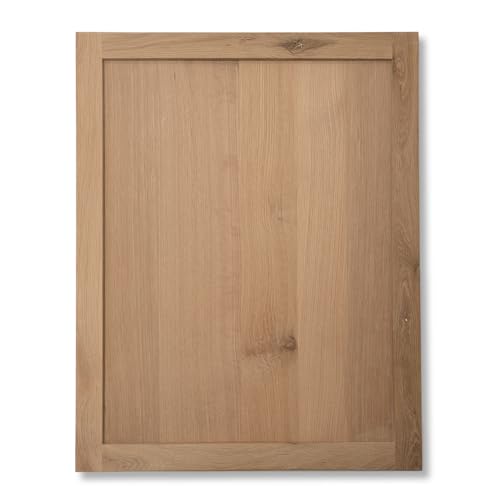
Compare 7 white oak kitchen cabinet options by style, build quality and budget, with pros, cons and a buying guide for choosing the right grain and finish.

Ready to assemble kitchen cabinets can cut costs without sacrificing function. Get the tools, install steps, leveling tips and common mistakes to avoid.
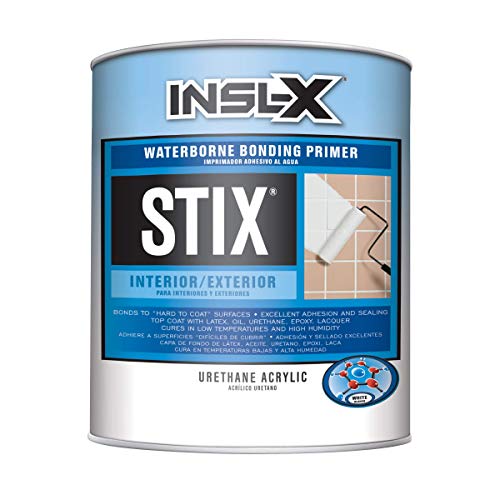
Learn how to paint kitchen cabinets the right way: prep, primer, enamel choice, spraying vs. rolling, and the mistakes that cause chipping. Start here.

What to know about kitchen cabinet finishes and refinishing: VOCs from paints and finishes, formaldehyde in pressed wood, lead paint rules and ventilation.