 By Colin Foster
Updated November 2026
A good layout for kitchen garden planning saves time, soil and seed. Before you buy a single tomato start, you need to know where each bed goes, how much sun it gets, how tall each plant will grow and how far apart to space them. The five options below were selected on how well they support those decisions: grid or template support, space for sketching and notes, and whether they suit a small backyard, a raised bed setup or a multi-season rotation. Sizes and features are based on manufacturer listings and common owner feedback.
Our top picks at a glance
- 1
 TOP CHOICEBest overallGarden Layout & Plant Height PlannerView on Amazon
- 2
 TOP CHOICEBest for full-color plottingGarden Layout KitView on Amazon
- 3
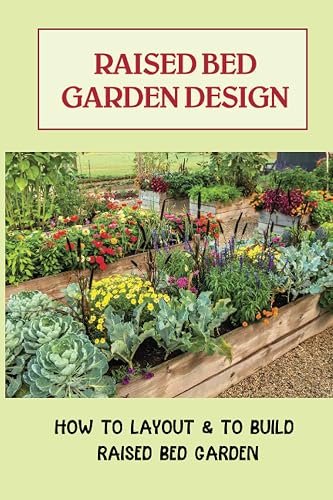 TOP CHOICEBest for raised bed buildersRaised Bed Garden DesignView on Amazon
- 4
 Best for small spacesSquare Foot Gardening PlannerView on Amazon
- 5
 Best for multi-year trackingMulti-year Garden PlannerView on Amazon
Our Top Picks
| Product | Best for | Key feature |
|---|---|---|
| Garden Layout & Plant Height Planner | Visualizing bed height and shade | Top-down and side views |
| Garden Layout Kit | Color-coded bed plotting | Full-color graph paper grid |
| Raised Bed Garden Design | Building raised beds from scratch | Layout and soil guidance |
| Square Foot Gardening Planner | Small plots and containers | Square grid templates |
| Multi-year Garden Planner | Rotation and season records | Planting date tracking |
Garden Layout & Plant Height Planner
Garden Layout & Plant Height Planner: Garden Layout Sketchbook with Top-Down and Side Views for Visualizing Plant Heights | Ideal for Layered … Borders (The Simple Garden Planning Tools)
Best for: Planning beds where height and shade matter.
This sketchbook suits gardeners who need to see how tall corn or pole beans will cast shadow on lettuce. The dual views help you place tall crops on the north side of a bed.
Key specs:
- Top-down and side view layouts
- Designed for visualizing plant height
- Sketchbook format for repeated revisions
Pros:
- Clear shade planning
- Useful side-view sketches
- Easy to revise each season
Cons:
- No built-in planting calendar
- Pencil recommended for changes
Bottom line: Best for gardeners who plan around sun and height rather than just footprint.
Garden Layout Kit
Garden Layout Kit: Graph Paper For Garden Design In Full Color. The perfect garden design planner – Plot your landscape design using these scaled template and cut-out plants, trees and garden features
Best for: Color-coded plotting on a printed grid.
The graph paper format works well for marking each crop in its own color, which makes crop groups easy to scan at a glance.
Key specs:
- Full-color graph paper
- Grid for scaled garden design
- Designed for garden plotting
Pros:
- Easy color coding
- Accurate scale on a grid
- Good for sharing plans
Cons:
- Limited space for notes
- Not a dated tracking log
Bottom line: A strong pick for visual planners who like to draw to scale.
Raised Bed Garden Design
Raised Bed Garden Design: How To Layout & To Build Raised Bed Garden: And The Secrets To Getting The Best Soil
Best for: Laying out and building raised beds.
This guide covers both the layout and the construction side, so it suits first-time builders who want to plan bed dimensions and soil mix together.
Key specs:
- Covers bed layout and construction
- Includes soil preparation guidance
- Book format for reference
Pros:
- Covers building and soil together
- Practical layout ideas
- Useful reference for beginners
Cons:
- Not a fillable planner
- Less focus on crop rotation
Bottom line: Best for gardeners building new raised beds this season.
Square Foot Gardening Planner
Square Foot Gardening Planner: Layout Guide with Templates for Small Space & Raised Bed Gardens
Best for: Small spaces and grid-based beds.
Square foot methods divide a bed into a grid of one-foot squares. This planner includes templates that match that system, which keeps small kitchen plots tidy.
Key specs:
- Square grid templates
- Designed for small-space gardens
- Works for raised beds
Pros:
- Efficient use of small beds
- Clear grid templates
- Good for container layouts
Cons:
- Less suited to large plots
- Grid can feel restrictive
Bottom line: Ideal for a compact kitchen garden with a few raised beds.
Multi-year Garden Planner
Multi-year Garden Planner: A simple layout for tracking plant names, planting dates, and garden bed designs
Best for: Tracking rotation and planting dates over several seasons.
Crop rotation lowers disease risk, and a multi-year record shows what grew where. This planner keeps those notes in one place.
Key specs:
- Fields for plant names and dates
- Bed design pages included
- Designed for repeat seasons
Pros:
- Strong for crop rotation records
- Simple layout for logging
- Useful year-over-year history
Cons:
- Less room for detailed drawings
- Works best with a separate sketch tool
Bottom line: Best for gardeners who want a long-term record of their kitchen beds.
Buying Guide
Layout Method
Decide whether you plan on grid squares, scaled drawings or free sketches. Grid systems suit small beds and repeatable spacing. Scaled drawings suit larger plots where you need to fit paths and borders. Choose the method you will actually keep up with each season.
Good picks for this: Square Foot Gardening Planner, Garden Layout Kit
Plant Height and Shade
Tall crops can shade lower beds for much of the day. Look for a planner with side views or height notes so you can place climbers and corn on the north side. A few minutes of planning here prevents weak, leggy plants later.
Good picks for this: Garden Layout & Plant Height Planner
Bed Size and Construction
Standard raised beds are often about four feet wide so you can reach the center without stepping in. If you are building new beds, a guide that covers construction helps you set dimensions before you buy lumber or soil.
Good picks for this: Raised Bed Garden Design
Record Keeping
Crop rotation depends on remembering where each family was planted. A planner with dated fields makes it easy to avoid planting tomatoes or peppers in the same spot two years running.
Good picks for this: Multi-year Garden Planner
Space and Portability
A large sketchbook is hard to use on a potting bench. Consider how and where you will work on the plan. Smaller formats travel well, while large graph sheets are better kept at a desk.
Good picks for this: Garden Layout Kit, Square Foot Gardening Planner
FAQ
What is the best size for a kitchen garden bed?
Many gardeners use beds about four feet wide so they can reach the center from either side. Length can vary with space. Keep paths around 18 to 24 inches so you can walk and carry tools comfortably.
How far apart should I space vegetables?
Spacing depends on the crop. Check the seed packet, which usually lists plant spacing in inches. A grid planner helps you apply those numbers consistently across each bed.
Should I plan for crop rotation?
Yes. Rotating plant families each season can reduce soil-borne disease. Keep a written record of what grew where, which a multi-year planner makes easier.
Do I need a special planner, or can I use graph paper?
Plain graph paper works well for a simple layout. Dedicated planners add templates and tracking pages, which help if you garden for several years. Choose based on how much detail you want to keep.
Where should tall plants go?
Place tall crops on the north side of the garden so they do not shade shorter plants. Sketching side views helps confirm this before planting.
Conclusion
For an all-around layout for kitchen garden planning, the Garden Layout & Plant Height Planner is a strong starting point. Choose the Garden Layout Kit for color-coded drawings, Raised Bed Garden Design if you are building beds, Square Foot Gardening Planner for compact spaces, and the Multi-year Garden Planner if rotation records matter most to you.
Sources
- Home garden planning, spacing and bed layout guidance from a university extension program (extension.illinois.edu)
- Soil, planting and crop information for home gardeners (usda.gov)
Before you buy: helpful guides
Related reading
- Kitchen Layout Types: One-Wall, Galley, L, U and Island
- Vintage Kitchen Lighting Fixtures for Every Layout: 7 Picks Compared (2026)
- Very Small Kitchen with Island: 7 Layout Rules That Make It Work
About Colin Foster
Colin Foster is part of our editorial team and reviews and edits our kitchen design & remodeling guides, checking product details against manufacturer specifications and owner feedback.