 By Lauren Holland
Updated November 2026
Kitchen countertops tiles ideas tend to fall into a few practical categories: tile size, grout width, edge treatment and layout pattern. This guide walks through each decision so you can pick a tiled counter that looks good and holds up to daily use. Expect measurements, material notes and a short checklist you can take to a tile showroom.
Choose the Right Tile Size and Format
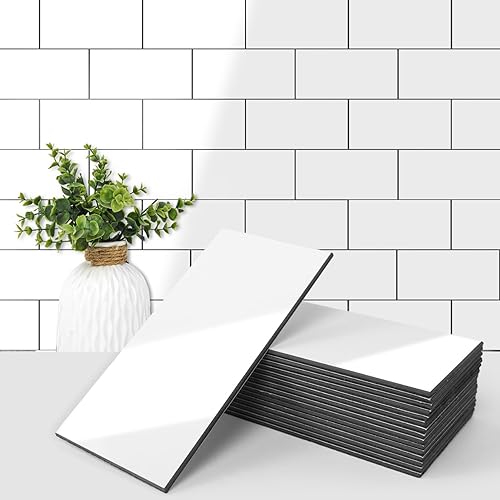
For a countertop, 4-inch and 6-inch squares are the most common choice because they fit neatly against standard 25-inch counter depths with minimal cutting. Larger 12-inch by 24-inch formats produce fewer grout lines, which makes cleaning easier, but they require a flatter substrate and more careful cuts around the sink and cooktop. Rectangular subway tiles, usually 3 by 6 inches, work well when you want a linear look.
Shopping for one? See our guide: 5 Best White Kitchens with White Granite Countertops Ideas for 2026.
Glazed porcelain and ceramic are the usual picks for countertop use. Natural stone tiles such as marble add character but need sealing and tolerate acidic spills poorly. Check the manufacturer’s recommended use before buying, since many floor tiles are not rated for vertical or heavy-contact surfaces.
Plan Your Layout and Grout Lines
Grout lines set the visual tone. A 1/16-inch joint reads as nearly seamless, while a 3/8-inch joint looks deliberate and rustic. Narrower joints are harder to keep clean and need a grout rated for tight spacing, so match the joint width to the tile type your manufacturer specifies.
Lay out your tiles dry before setting any adhesive. Start from the center of the run and work outward so you don’t end up with a sliver of tile at the sink edge. Common patterns include:
- Stacked grid: straight joints, easiest to install and best for square tiles.
- Running bond: offset rows, which hides minor tile size variation.
- Herringbone or chevron: high visual impact, but expect more cuts and waste.
For a broader look at how layout fits into your overall plan, see Design Ideas for Kitchen Countertops: 6 Best Picks Compared (2026).
Pick Edges, Backsplash and Finishing Details
The edge is where tiled countertops most often fail. Bullnose trim or a square-edge tile with a finished profile protects the corner from chipping. Avoid leaving raw tile edges exposed on the front of the counter. Sealing the grout after it cures, typically after 48 to 72 hours depending on the product, keeps stains from settling in.
If you want to see how tiled surfaces compare with other finishes, Types of Kitchen Countertops: Materials, Costs and Care Compared covers maintenance differences in detail.
Tiled Countertop Installation Checklist
- Confirm the base is flat within 1/8 inch over 10 feet, and sound.
- Measure the run at three heights and note the longest dimension.
- Dry-lay tiles and mark centerlines.
- Set tiles in thinset mortar rated for your tile type, checking coverage on the back of each tile.
- Space with consistent spacers and let the adhesive cure per the label.
- Grout, wipe haze promptly, then seal once fully cured.
Common Mistakes to Avoid
- Installing floor tile on a counter without checking its use rating.
- Skipping a flat substrate, which causes lippage and cracked grout.
- Using an unsealed natural stone tile near the cooktop or sink.
- Choosing a very light grout color for a high-use prep zone.
- Leaving the front edge unfinished, which invites chipping.
Recommended Gear
A notched trowel sized to your tile matters more than most beginners expect, since it controls adhesive coverage. View on Amazon
Tile spacers in consistent widths keep joints straight across a long run. View on Amazon
A grout float with a rubber face helps press grout fully into joints without scratching glazed surfaces. View on Amazon
FAQ
Are tiled countertops hard to keep clean?
They are manageable with regular wiping and a sealed grout line. Grout is the most porous part, so a periodic cleaner made for grout helps prevent staining.
Can I tile over an existing laminate countertop?
It is possible only if the laminate is firmly bonded and flat, and a cement backer board is usually added first. Check your local building guidance and consult a professional if the substrate is uncertain.
What tile size is easiest for a first project?
Four-inch or six-inch square tiles are the most forgiving. They need fewer cuts, and small errors are easier to hide in the grout lines.
Conclusion
The best kitchen countertops tiles ideas balance look, maintenance and installation effort. Start with a flat base, choose a tile rated for counter use, and finish the edges carefully. With those three steps in place, a tiled counter can be both attractive and practical for years.
Related reading
- Porcelain Tiles Kitchen Countertops: 5 Best Picks for Every Need
- Painted Tile Kitchen Countertops: A Step-by-Step Guide to Doing It Right
- Marble Tile Kitchen Countertops: 7 Best Options for 2026
- Ideas to Decorate Kitchen Countertops: 8 Styles That Stay Functional
Ready to choose one?
About Lauren Holland
Lauren Holland is part of our editorial team and reviews and edits our kitchen design & remodeling guides, checking product details against manufacturer specifications and owner feedback.